


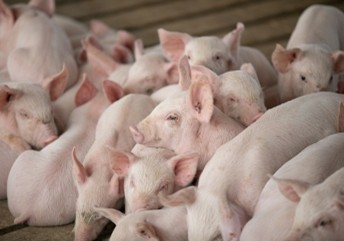
Over the past few years, Vietnam has strengthened its position as one of Asia’s leading pork producers. According to industry sources, pork production increased by approximately 4% in 2025, reaching nearly 5.4 million tonnes. Pork remains the primary meat consumed by Vietnamese consumers and plays a key role in the country’s food security.
One of the most notable trends in recent years has been the gradual transformation of the production structure. Traditionally, a significant share of pigs in Vietnam was raised on small family farms. However, large integrated production companies and modern industrial operations are playing an increasingly important role. This shift has contributed to improved biosecurity, productivity, and product quality control.
At the same time, the sector continues to face the consequences of African swine fever (ASF). Although Vietnam became the first country to introduce commercial ASF vaccines, disease outbreaks continue to pose significant risks for producers. Low vaccination coverage in certain regions and a complex epidemiological situation remain among the sector’s key challenges.
Other issues highlighted by experts include a high dependence on imported feed ingredients, limited land resources, environmental pressures, and the need for further improvements in veterinary control systems. In addition, producers are adapting to the effects of climate change, particularly high temperatures and humidity levels that negatively affect animal performance.
Despite these challenges, the outlook for the industry remains positive. Rising incomes, urbanization, and growing demand for high-quality animal protein products continue to support further expansion of pork production. At the same time, the sector is undergoing modernization through the adoption of new technologies, improved production systems, and stricter biosecurity requirements.
Experts note that the future competitiveness of Vietnam’s pig industry will largely depend on its ability to effectively control diseases, improve productivity, and integrate modern production management practices. If these challenges can be successfully addressed, Vietnam has the potential to remain one of the leading pork-producing hubs in the Asia-Pacific region.
PigUA.info, based on materials from 3tres3.com