


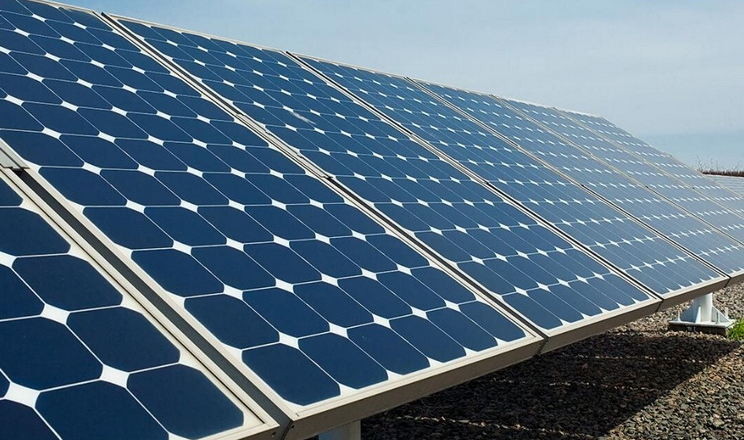
One of the most successful projects was implemented at the “Agroprym Holding” finishing pig complex in Odesa Region, where a 745 kW solar power station was launched in December 2024. Thanks to strategic placement, the installation did not interfere with production processes. This allowed the company to make maximum use of available space and create an autonomous energy system capable of powering production lines regardless of market fluctuations.
During its first year of operation, the solar station saved the enterprise approximately UAH 6.2 million compared with the previous period. During daylight hours, solar panels covered up to 45% of the facility’s daily electricity needs. With a peak load of 260–300 kWh, the enterprise sells excess electricity to the grid. The photovoltaic modules have a 10-year warranty and an estimated service life nearly twice as long, making the project not only sustainable but also economically attractive.
A key component of the project is its real-time monitoring system, which tracks both electricity generation and consumption. This enables quick responses to deviations, improves operational efficiency, and reduces production costs. Digital transparency also supports informed planning for future modernization.
The success in Odesa encouraged further expansion. This year, the Agrein Group launched the first phase of a 150 kW solar station at the “AgroVit” enterprise in Cherkasy Region. It supplies power to energy-intensive units — a dairy parlour, repair workshop, and a grain cleaning complex with a capacity of 20,000 tonnes. Solar energy currently covers about 60% of their needs, with surplus energy likewise sold to the grid. A second construction phase will add another 100 kW, enabling the company to fully supply the grain complex and achieve energy independence.
According to Oleksandr Budnik, investments in renewable energy are not only about savings, but also about environmental responsibility. Using clean energy reduces the carbon footprint of agricultural enterprises and strengthens their long-term resilience. The company plans to continue expanding such solutions, shaping a modern, energy-efficient model of agribusiness.
PigUA.info based on materials from AgroTimes