


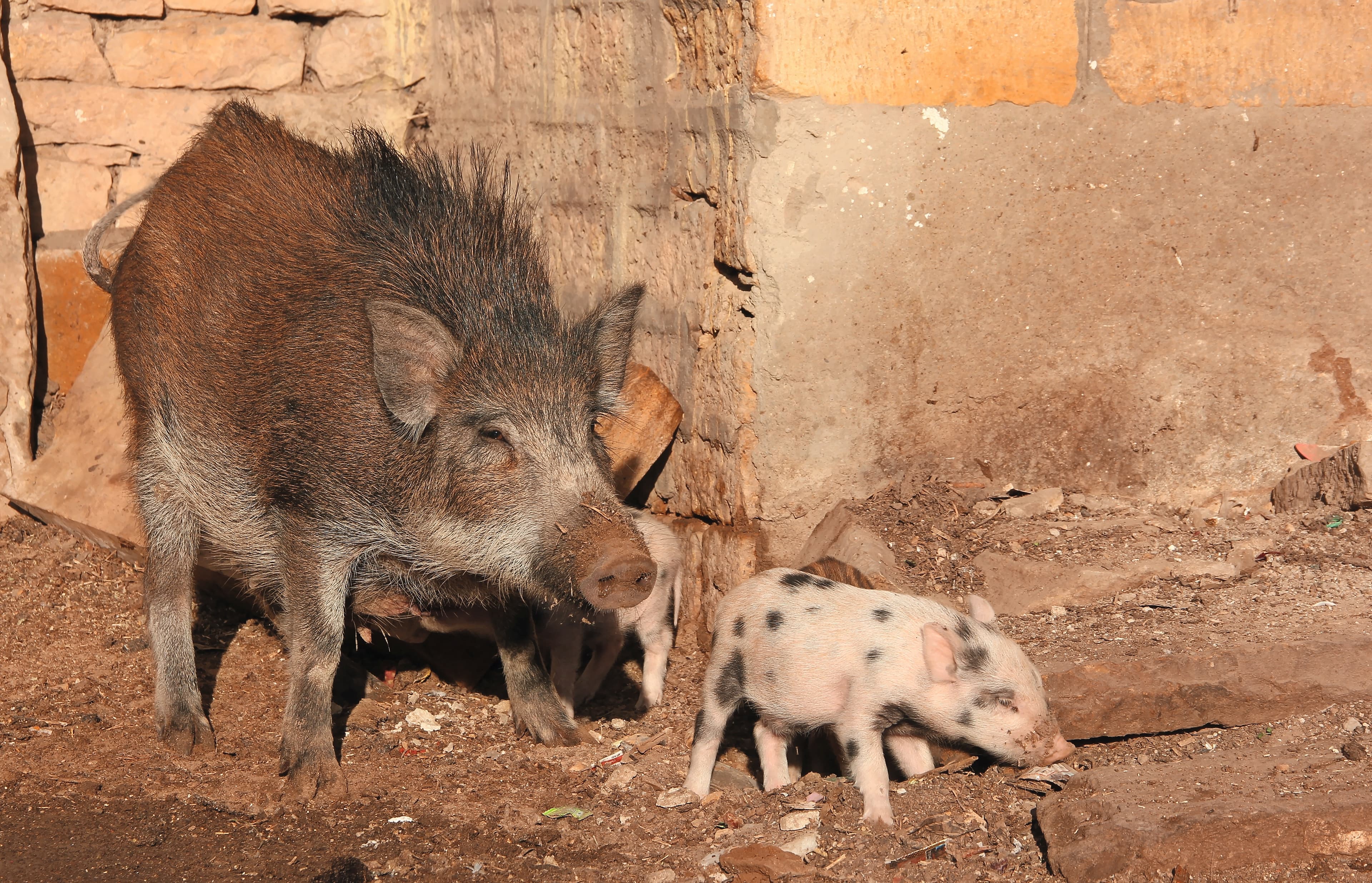
Official figures show that 21,479 pigs died from African swine fever in 2025, while another 13,146 animals were culled as part of disease-control measures. Cases were reported in northern, southern and eastern regions of the country.
Although these losses are considerably lower than those recorded in Asia’s largest pig-producing countries, the geographical spread of the virus remains significant. According to India’s latest livestock census, the country has around 9 million domestic pigs, as pork is not traditionally consumed in most regions.
The situation was even more serious in 2024. ASF was confirmed in 23 of India’s 28 states, as well as in the Union Territory of Delhi. During the year, 99,308 pigs died from the disease, while another 51,261 animals were culled to contain outbreaks.
ASF cases have also been recorded over the years in the north-western states of Punjab and Rajasthan. This indicates that the virus has spread across Asia from north-eastern China to India’s border with Pakistan, covering a distance of approximately 5,600 km.
Outbreaks Mainly Occur on Small Farms
In its June 2026 update, the Food and Agriculture Organization of the United Nations (FAO) reported new outbreaks in India’s north-eastern states near Myanmar.
ASF was first confirmed in India in this region in January 2020. It is also the part of the country where most pork is consumed.
The disease is frequently detected on small private farms or in entire villages. In June 2026, for example, 195 pigs were culled following an outbreak on a farm in the south-western state of Kerala.
The virus has also entered wild boar populations. A scientific paper published in 2024 reported outbreaks associated with high mortality among wild boar in two national parks in the southern states of Karnataka and Tamil Nadu in 2022 and 2023.
Official International Reporting Remains Incomplete
At the same time, the database of the World Organisation for Animal Health (WOAH) contains only four reports of ASF in India, submitted between 2020 and 2023. These mainly concern the north-eastern states of Arunachal Pradesh, Assam, Manipur, Meghalaya, Mizoram, Nagaland and Sikkim.
In recent years, ASF outbreaks have also been reported in neighbouring countries: Bhutan since 2021, Nepal since 2022, Bangladesh since 2023 and Sri Lanka since 2024.
It remains unclear whether the virus has spread further west of India. Commercial pig production is virtually absent in Pakistan, although the country has a wild boar population that could potentially allow the virus to circulate undetected.
India Strengthens Biosecurity Measures
To contain the disease, Indian authorities are developing educational materials and biosecurity protocols. On May 6, 2026, the state of Assam approved rules on biosecurity, zoning and compartmentalisation for pig farms.
The measures provide for the isolation and quarantine of animals, controls on animal movement and farm access, stronger hygiene and disinfection procedures, daily monitoring of herd health, and rapid containment of new outbreaks.
Despite the decline in officially reported losses in 2025 compared with the previous year, the wide geographical spread of ASF among domestic pigs and wild boar shows that the virus remains a persistent threat to the pig sectors of India and neighbouring countries.
PigUA.info, based on materials from foodagribusiness.world