


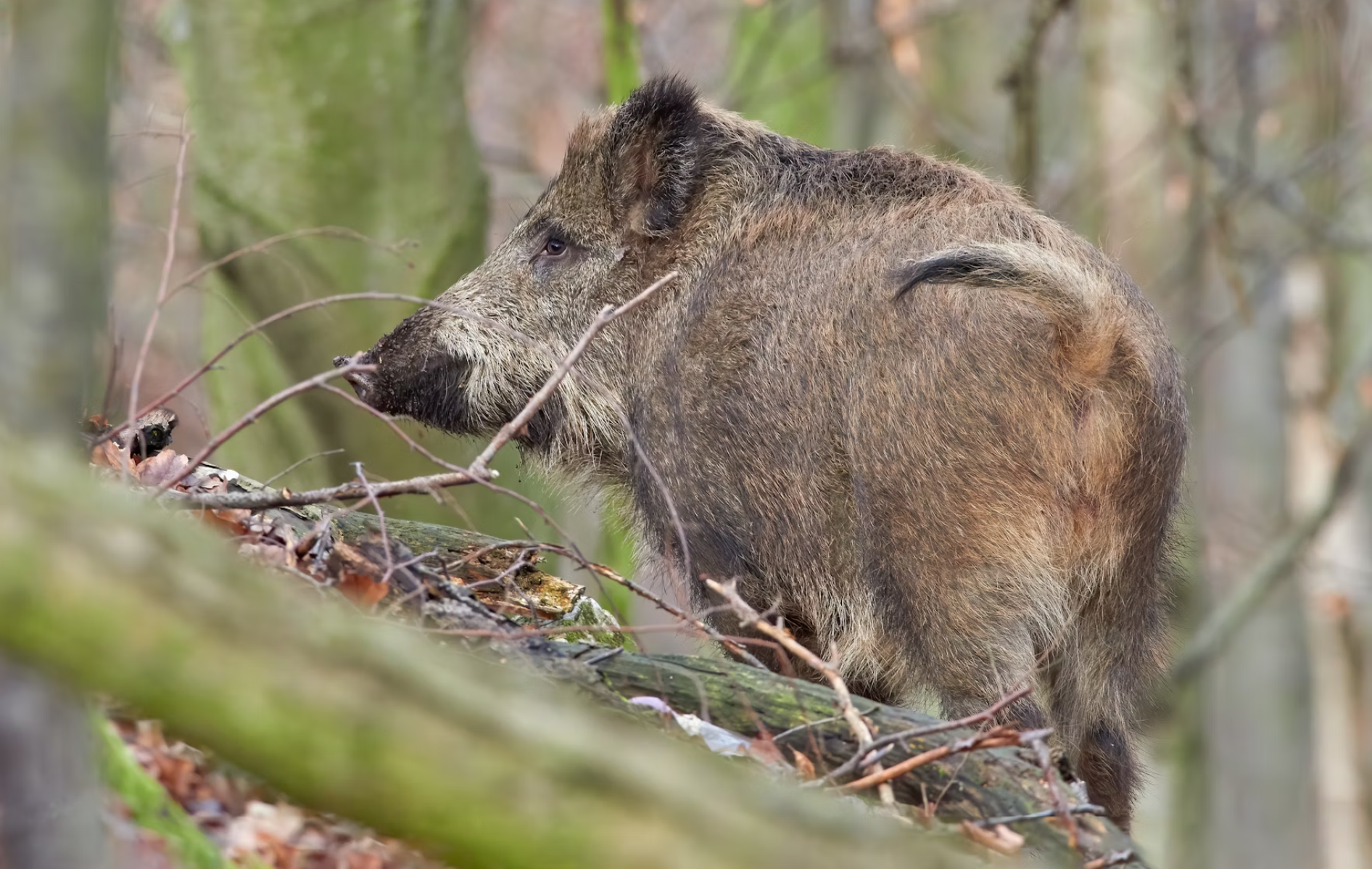
According to the Friedrich Loeffler Institute (FLI), 5,690 ASF cases in domestic pigs and wild boar were recorded across Europe between January and June 2026. This represents 1,266 fewer cases than in the first half of 2025, when 6,956 cases were reported.
Despite this positive trend, experts stress that disease pressure remains high and ASF continues to spread in several parts of the continent.
Poland continues to report the highest number of ASF cases among EU Member States, with 1,403 cases. Although this is down from 2,301 cases in the first half of 2025, the country remains the EU's main ASF hotspot.
It is followed by Lithuania (832 cases), Italy (824), Germany (622), and Hungary (492). In most of these countries, the virus is circulating almost exclusively among wild boar populations.
Germany has shown particularly significant improvement, with ASF cases falling sharply compared with the same period last year. For comparison, the country recorded 1,574 cases during the first half of 2025.
At the same time, the geographical distribution of ASF hotspots continues to evolve. While Poland remained the main focus of the disease in 2025, Lithuania and Italy have become increasingly prominent in the European ASF situation during 2026.
The situation in domestic pigs remains particularly concerning in Southeastern Europe. The highest numbers of outbreaks during the first half of 2026 were reported in Serbia (132 outbreaks), Romania (109), and Croatia (24).
The most dramatic deterioration has been observed in Serbia. While only 18 outbreaks in domestic pigs were reported during the first half of 2025, the number surged to 132 during the same period in 2026—an increase of more than sevenfold.
According to FLI, although the overall number of ASF cases in Europe has declined, it is still too early to conclude that disease pressure is decreasing on a sustained basis. African swine fever remains one of the greatest challenges facing the European pig industry, and the shifting geographical distribution of outbreaks underscores the need for continuous strengthening of biosecurity measures and maintaining a high level of preparedness to respond to new outbreaks.
PigUA.info, based on Euromeatnews.com