
One of five drones purchased by Estonia’s Ministry of Climate has been provided to hunters in Rapla County. The new equipment is already being used by experienced hunter Ergo Viil, who learned to operate the drone after more than 40 years of hunting.
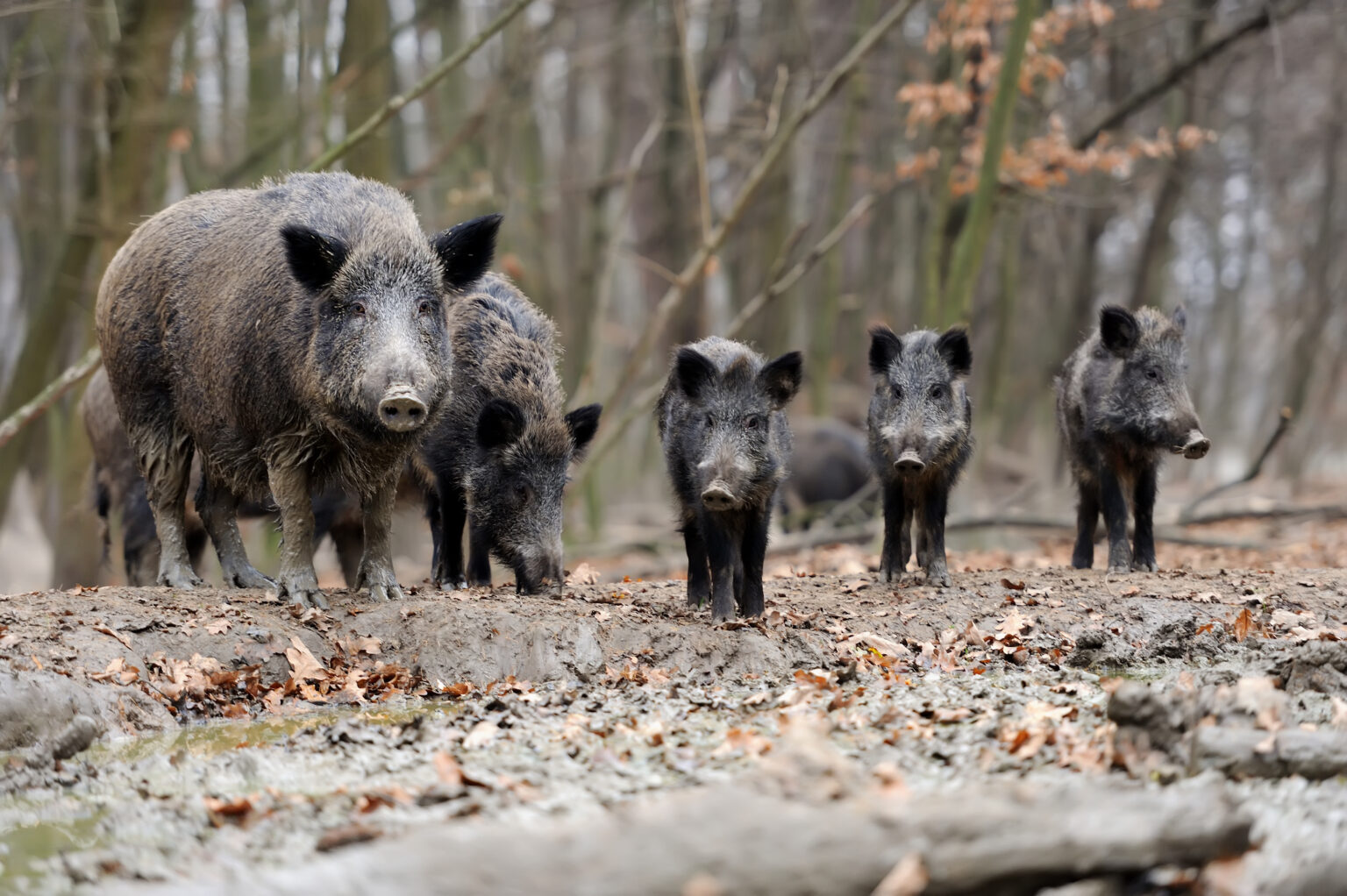
According to Viil, the drone significantly improves the search for wild boar and helps hunters prepare more effectively. By flying over fields, they can identify areas frequented by the animals, select suitable hunting locations and determine where hunting towers should be installed.
The drones are equipped with thermal imaging cameras and powerful zoom capabilities. This allows hunters not only to locate animals from the air but also to identify their species and estimate their numbers more accurately.
No cases of African swine fever have been reported among domestic pigs in Estonia so far in 2026. However, more than 100 infected wild boar have already been detected in the wild, maintaining a high risk of the virus being introduced onto pig farms.
Gerlin Järvela, head of the Animal Health Department at the Estonian Agriculture and Food Board, said veterinary authorities have strengthened biosecurity requirements and expanded cooperation with hunters.
Pig farmers can also request drone inspections of areas surrounding their farms. Such monitoring helps detect wild boar in a timely manner and allows measures to be taken to prevent them from approaching domestic pig housing areas.
According to Järvela, the presence of wild boar near pig farms creates an extremely high risk of virus transmission. The animals must therefore be kept as far away as possible from production facilities and enclosures housing domestic pigs.
The use of drones is regarded as an additional epidemiological surveillance tool that can improve wild boar population control and strengthen the protection of the pig industry against ASF.
PigUA.info, based on materials from bnn-news.com