

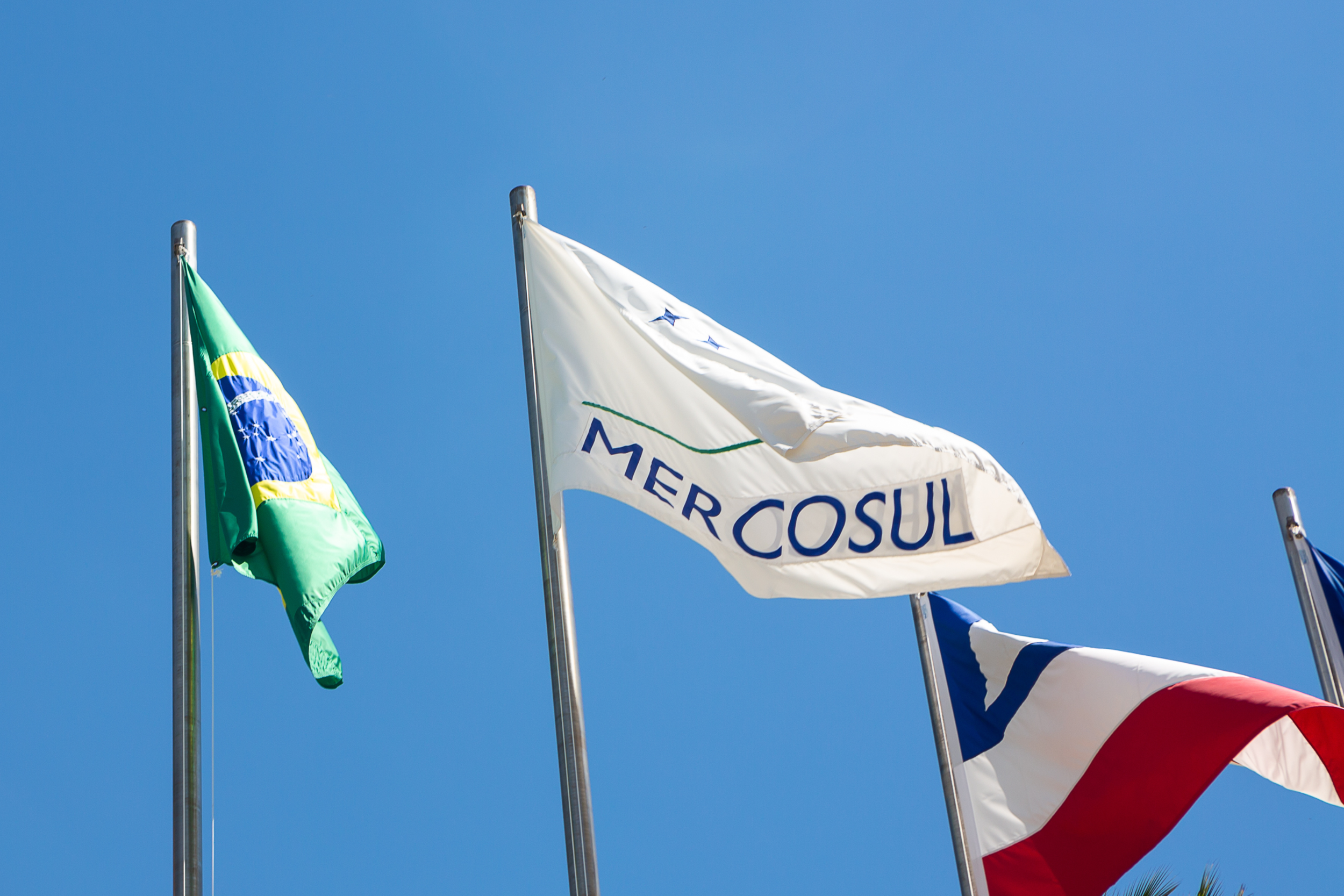
The deal involves the EU and Mercosur countries — Argentina, Brazil, Paraguay and Uruguay — and was agreed in December last year after nearly 25 years of negotiations. If it enters into force, it would become the largest trade agreement in the history of the European Union in terms of tariff reductions.
The European Commission, which negotiated the agreement, is seeking approval from member states so that Commission President Ursula von der Leyen can travel to Brazil to sign the document on December 20. Danish officials confirmed that this scenario is built into the presidency’s planning.
However, the outcome remains uncertain. Approval requires a qualified majority — at least 15 EU countries representing 65% of the bloc’s population. Germany, Spain and the Nordic countries have openly declared their support. Poland, however, has already said it will vote against the deal. The positions of France and Italy remain unclear. If these three countries, together with one additional member state, vote against or abstain, the agreement could be blocked.
France and several other countries have raised serious concerns, primarily over risks to European farmers. They fear that increased imports of agricultural products from South America — particularly beef, poultry and sugar — could intensify competition and put pressure on the EU’s internal agricultural market.
In an effort to ease opposition, the European Commission presented the agreement in September together with an additional safeguard mechanism. This would allow the temporary suspension of preferential access for Mercosur products to the EU market if certain sensitive agricultural sectors face serious threats.
Supporters of the deal stress its strategic importance. They argue that the Mercosur agreement is a key element of the EU’s diversification strategy, aimed at securing new export markets and improving access to critical raw materials and minerals. This has become especially relevant amid rising geopolitical tensions, U.S. trade measures and China’s export restrictions on microchips and rare earth elements.
According to diplomatic sources in Brussels, France had sought to delay the vote until January, but the situation is now approaching a make-or-break point. One EU diplomat told Reuters that without a signature in the coming days, the agreement could effectively collapse.
“If we don’t sign Mercosur in the next few days, it will be dead. If we cannot agree on Mercosur, there is no point talking about European sovereignty anymore — we will make ourselves geopolitically irrelevant,” the diplomat said.
The upcoming vote will therefore be a decisive moment for one of the EU’s most ambitious trade initiatives and will determine whether the bloc can strengthen its role as a global trading power amid intensifying competition and political challenges.
PigUA.info, based on materials from thepigsite.com