


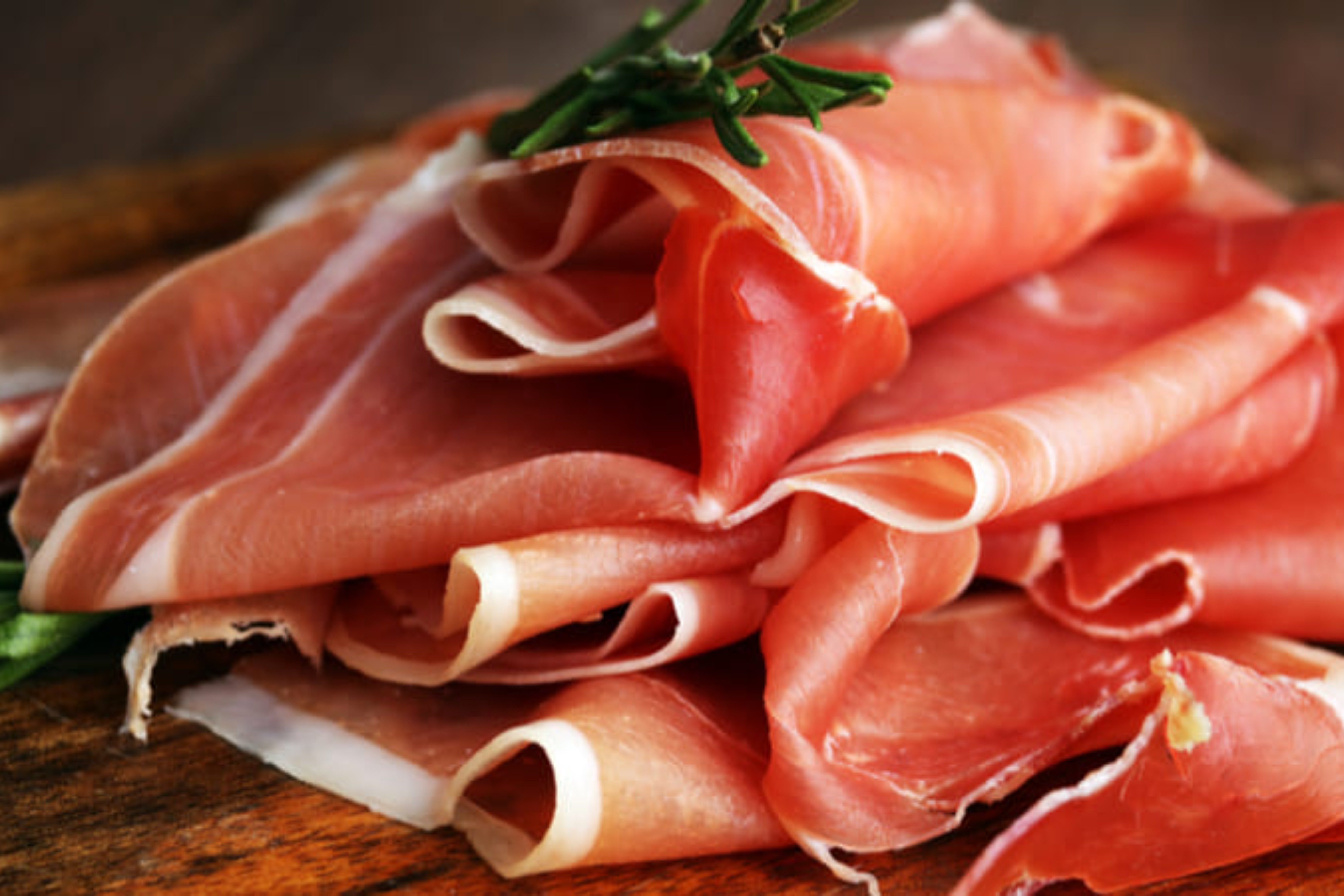
In the first nine months of 2025, Italian charcuterie exports reached 171.9 thousand tonnes, with a total value of €1.84 billion. This represents a 6% increase in volume and a 6.2% rise in value compared to the same period in 2024. As a result, the sector is outperforming both the overall food industry (+5.2%) and the national export average (+3.3%).
Growth has been primarily driven by EU countries, while markets outside the bloc have shown more moderate dynamics due to the impact of ASF, trade restrictions, currency fluctuations, and political uncertainty. At the same time, Italian companies remain highly export-oriented, with 60–80% of their revenues generated from foreign markets.
Key destinations include France, Germany, the United States, and the United Kingdom. Among third countries, Canada and Japan are important markets, although Japan is effectively closed due to ASF-related restrictions. Previously, this market generated €60–70 million annually for the sector.
Industry representatives note that restoring access to the Japanese market is a priority, with negotiations, audits, and inspections currently underway.
The United States remains the largest market outside Europe (around €270 million annually), but exports are complicated by tariffs, which at times reached 15% and are currently around 10%. Producers identify uncertainty as the main challenge, as it complicates long-term strategic planning.
Despite these challenges, companies continue to invest in development, including local production capacities abroad. This model helps optimize logistics while keeping production in Italy and preserving the unique identity of products protected by geographical indications.
Looking ahead, the sector aims to expand its presence in new markets, particularly in Asia and the Mercosur region, where demand growth potential remains strong.
PigUA.info, based on euromeatnews.com