


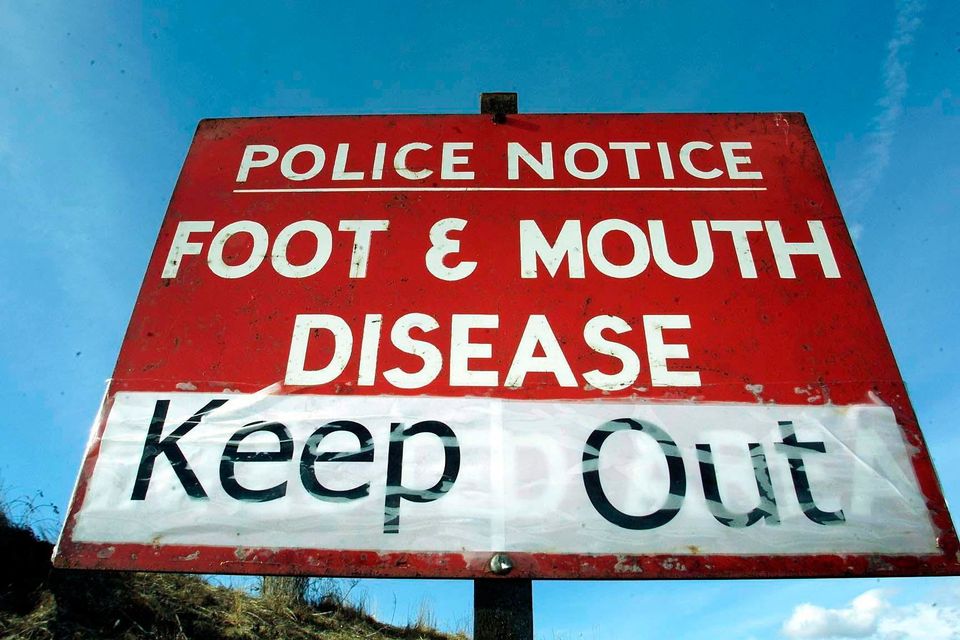
An increased risk of foot-and-mouth disease (FMD) is being observed in Southeastern Europe amid the geographical expansion of serotype SAT1 and new outbreaks in the Middle East, Western Asia, and Europe. This was reported by the European Commission and the European Commission for the Control of Foot-and-Mouth Disease under the Food and Agriculture Organization of the United Nations.
According to experts, an additional risk factor is the high proportion of susceptible livestock, as animals lack immunity to this serotype. The situation is further complicated by the simultaneous circulation of multiple virus variants, including different serotypes (O, A, SAT2) and topotypes (I and III).
Risks are expected to increase in the coming weeks due to seasonal animal movements, particularly during religious festivals and traditional transhumance, as well as increased movement of people and potentially contaminated materials.
In response, the Ministry of Agriculture, Fisheries and Food of Spain is calling for the strongest possible preventive measures. These include strict implementation of cleaning and disinfection protocols for transport, enhanced biosecurity on farms, and reinforced controls at border inspection points.
Authorities also stress the importance of raising awareness among livestock producers and veterinary professionals about the heightened risks, as well as intensifying passive surveillance on farms.
Overall, the epizootic situation in the region requires heightened preparedness and coordinated action to prevent the spread of FMD across Europe.
PigUA.info, based on materials from pig333.com