


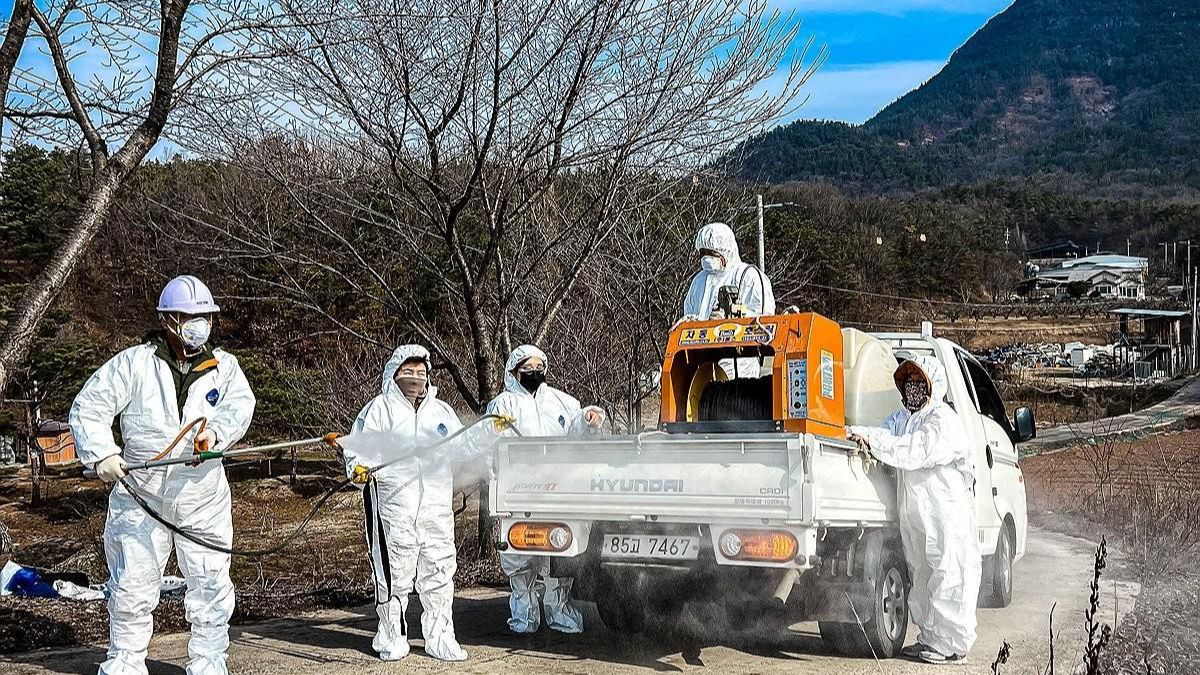
According to the Ministry of Food, Agriculture and Rural Affairs (MAFRA), ASF outbreaks have been confirmed on 24 pig farms during the first three months of the year. Most cases are concentrated in the northeastern regions, where the virus is also circulating among wild boar populations. However, infections have also been detected in other provinces.
The high number of culled animals is partly due to the scale of affected farms: at least four of them housed around 20,000 pigs each.
Since ASF first appeared in the country in 2019, the virus has been detected on 55 pig farms. According to the World Organisation for Animal Health (WOAH), more than 255,000 pigs had been culled due to ASF in South Korea by early February 2026, and this figure is likely to exceed 300,000 shortly.
In addition to domestic pigs, the virus continues to spread among wildlife, with more than 1,000 ASF-positive wild boars recorded so far in 2026.
Another risk factor has emerged with the detection of the virus in feed. Epidemiological investigations found ASF in ingredients and finished feed containing porcine plasma. Authorities suspect that blood from an infected animal may have entered the production process, prompting the disposal of all suspected feed batches and a recall of products from the manufacturer.
In response, biosecurity measures are being reinforced at farms, slaughterhouses, and feed production facilities. An additional round of inspections of pig farms is underway nationwide, while daily blood testing has been introduced at 64 slaughterhouses to enable rapid detection of potential infections.
PigUA.info, based on pigprogress.net