


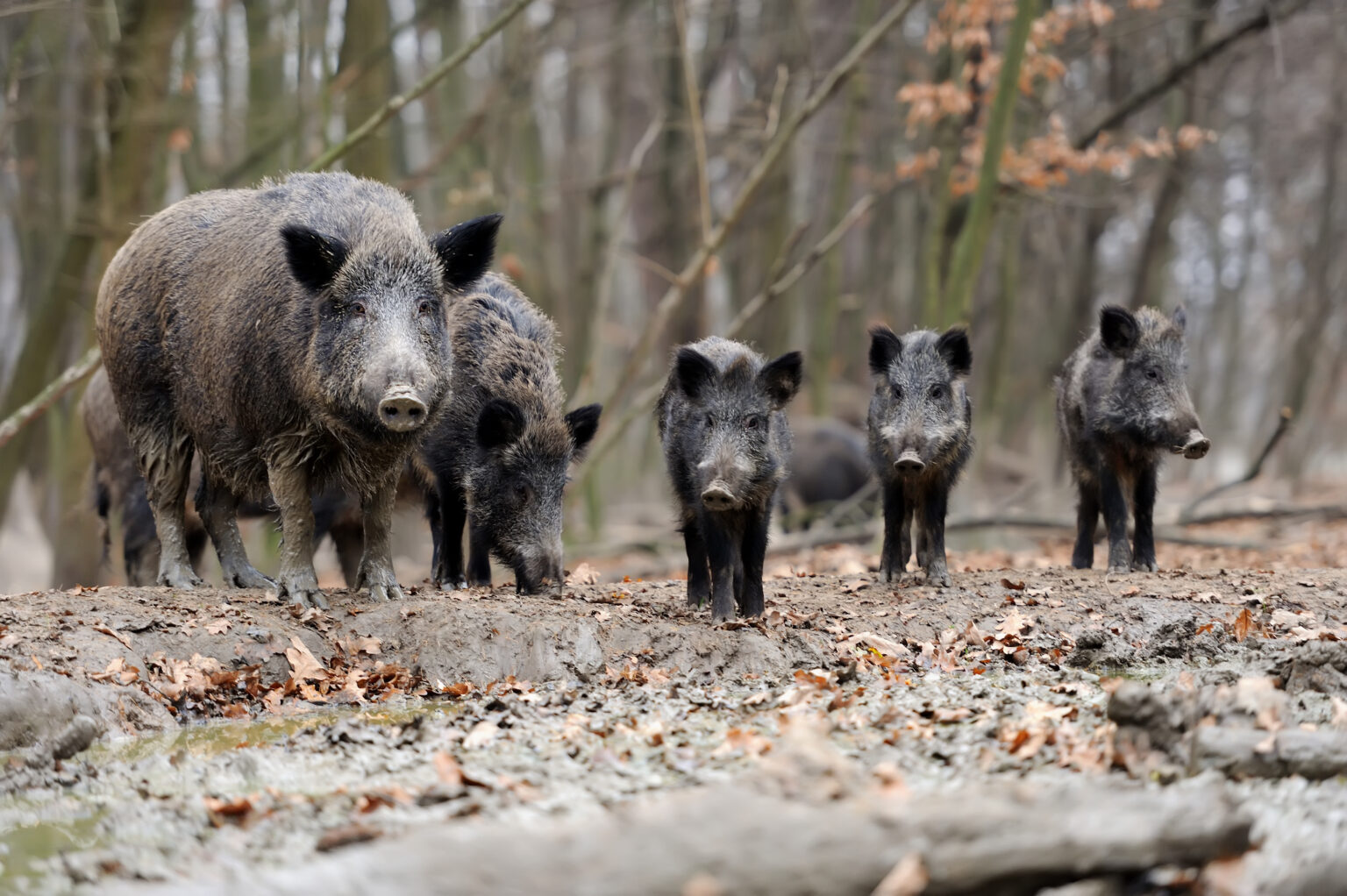
According to the Official Veterinary Service of Catalonia, since the previous update on March 12, two new outbreaks have been identified, corresponding to five cases in wild boars found dead in the natural environment (one due to a vehicle collision). All cases were detected within restricted zone II.
As a result, the total number of ASF outbreaks in the region has reached 40, including 3 primary and 37 secondary outbreaks. The virus has been confirmed in 232 wild boars across ten municipalities: Cerdanyola del Vallès, Sant Cugat del Vallès, Sant Quirze del Vallès, Terrassa, Rubí, Molins de Rei, Sant Feliu de Llobregat, Sant Just Desvern, Barcelona, and, for the first time, Sabadell.
In response to the spread of the disease, authorities are intensifying wild boar population control measures. More than 750 personnel from the Rural Agents Corps are operating in high-risk areas, using specialized collective traps to capture large numbers of animals while preventing their dispersion.
Additionally, over the past six weeks, organized hunting activities have been regularly conducted in lower-risk areas, involving around 200 hunters and 300 dogs. A new method—stand hunting (“guardados”)—has also been introduced, enabling continuous monitoring of wild boar presence and engaging approximately 100 hunters during weekdays.
To date, 2,366 wild boars have been removed within the infected zone, including 1,641 in high-risk areas and 725 in lower-risk areas. Since the beginning of the year, more than 22,200 wild boars have been culled across Catalonia outside the infected zones.
Experts note that the situation remains tense, and further spread of the virus will require strengthened biosecurity measures and continued control of wild animal populations.
PigUA.info based on materials from pig333.com