

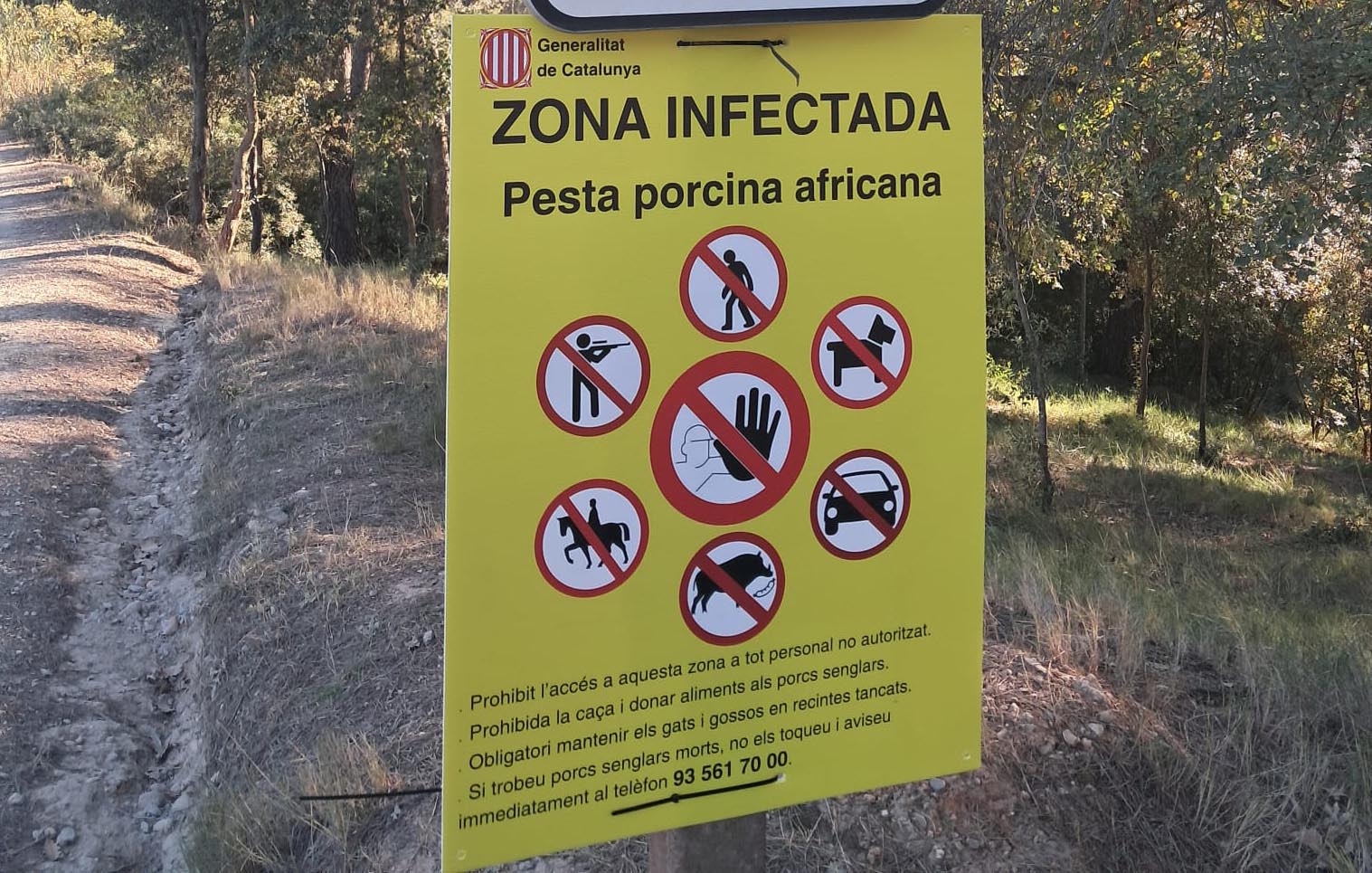
The new detections are the result of an active carcass search within the provisionally designated infected area. Since all infected animals were found in the same location, the boundaries of the control and surveillance zones remain unchanged.
In total, nine ASF cases in wild boar have been confirmed to date — all within the same outbreak cluster. The cases have been reported to the European Commission and the World Organisation for Animal Health (WOAH).
Genetic sequencing conducted by Spain’s National Reference Laboratory (LCV MAPA) confirmed that the detected virus belongs to genotype II — the same genotype circulating across Europe in recent years and responsible for most ongoing outbreaks.
To assess the situation and adjust disease control measures, experts from the European Commission’s Emergency Veterinary Team (EUVET) are scheduled to visit the affected area on December 3–4. They will meet with national, regional, and local authorities and conduct an on-site inspection to provide recommendations aimed at rapid eradication.
The ASF outbreak in Catalonia remains a significant challenge for Spain, especially given the economic importance of its pig sector and the export restrictions already introduced by several countries. Authorities continue to reinforce biosecurity measures and intensify monitoring efforts to prevent the virus from spreading beyond the currently affected zone.
PigUA.info based on materials from pig333.com