


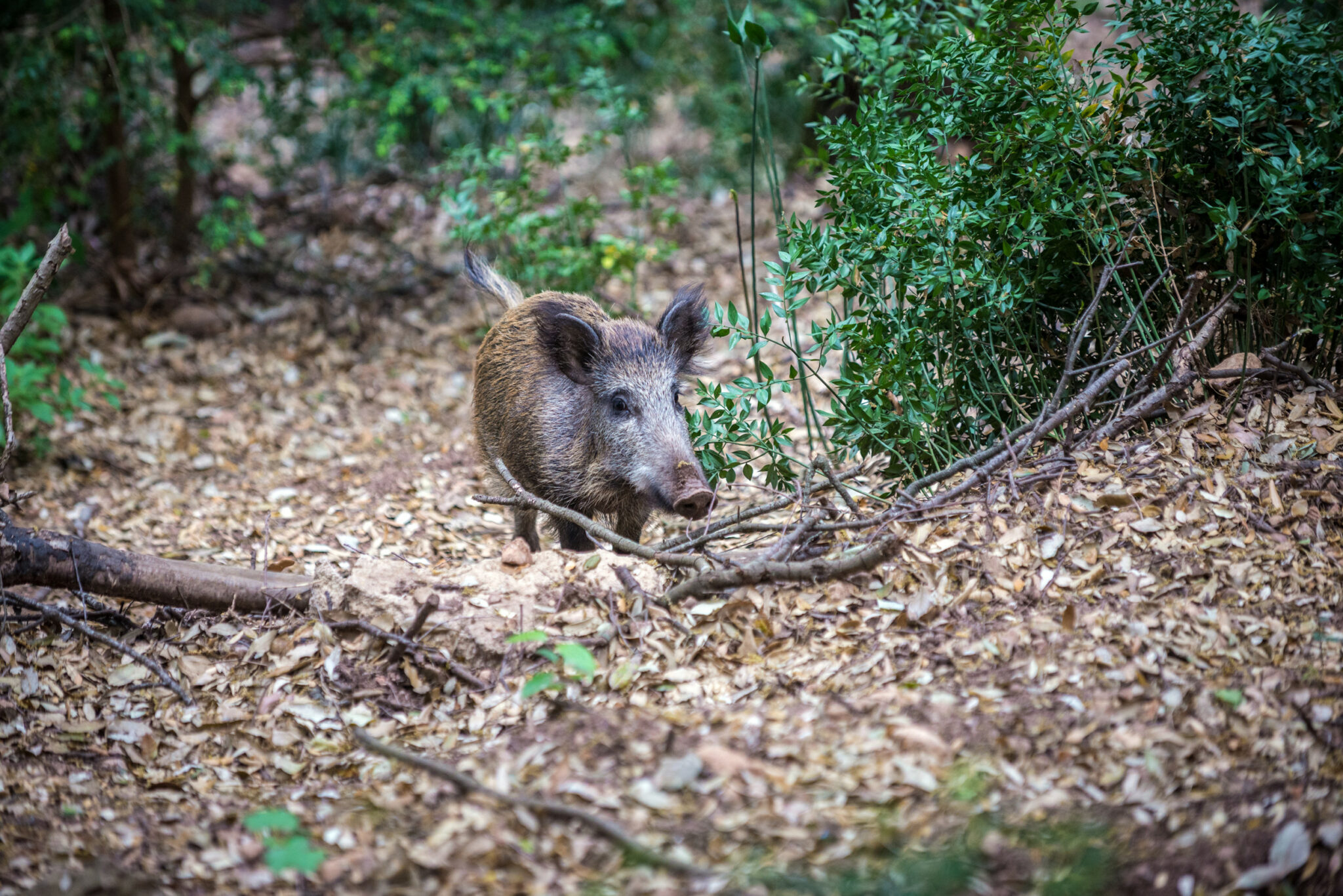
According to Spanish sources, on December 19 a wild boar shot south of the town of Sant Cugat del Vallès tested positive for ASF. The remaining 26 carcasses had previously been found in the locality of Bellaterra and west of the town of Cerdanyola del Vallès, around 15 km northwest of Barcelona. All cases are concentrated within the same administrative district, Vallès Occidental.
At the same time, the situation on pig farms in the region remains stable. According to the Catalan newspaper La Vanguardia, inspections of 57 farms located within the surveillance zone continue to show no clinical signs or pathological lesions associated with ASF. To date, all confirmed cases are limited exclusively to wildlife.
The ASF outbreak in Catalonia was officially confirmed on November 28, when the virus was detected in dead wild boars near Cerdanyola del Vallès. As a result, Spain lost its ASF-free status. Within the European Union, this led to the application of the regionalisation principle, allowing trade in products manufactured outside a 20-kilometre radius around the infected zone. Outside the EU, trading partners responded differently: Mexico and the Philippines fully closed their markets to Spanish pork, while others, such as China, accepted pork exports from regions outside the Barcelona outbreak area.
An intensive investigation into the possible routes of virus introduction is ongoing. Preliminary findings indicate that the ASF strain detected in Catalonia does not resemble the variants circulating among wild boar in other parts of Europe. Consequently, authorities are not ruling out alternative scenarios, ranging from accidental introduction to a possible laboratory leak or even deliberate interference.
Particular attention has focused on the Catalan research centre CReSA. However, an initial inspection by EU veterinary experts did not identify any structural or technical deficiencies that would suggest the virus escaped from the laboratory. According to La Vanguardia, experts found no grounds to conclude that CReSA was the source of the outbreak.
A final conclusion is expected from Spain’s central veterinary laboratory near Madrid. Catalonia’s Minister of Agriculture, Òscar Ordeig, told El País that full genome sequencing will be decisive. This involves comparing the DNA of the virus found in wild boars in the field with all samples being studied or stored at CReSA. “If they do not match, the laboratory-origin hypothesis can be ruled out 100%,” he stressed.
Ordeig also noted that active negotiations are underway with countries importing Spanish pork to secure their acceptance of regionalisation. This would mean rejecting only meat from farms closest to the outbreak near Barcelona, rather than imposing a nationwide ban. According to the minister, 78% of trading partners have already agreed to this approach with the Catalan government.
Thus, despite the rising number of infected wild animals, Spanish authorities are seeking to simultaneously contain ASF, determine the virus’s origin and limit the economic impact on the pig sector and exports.
PigUA.info, based on materials from pigprogress.net