
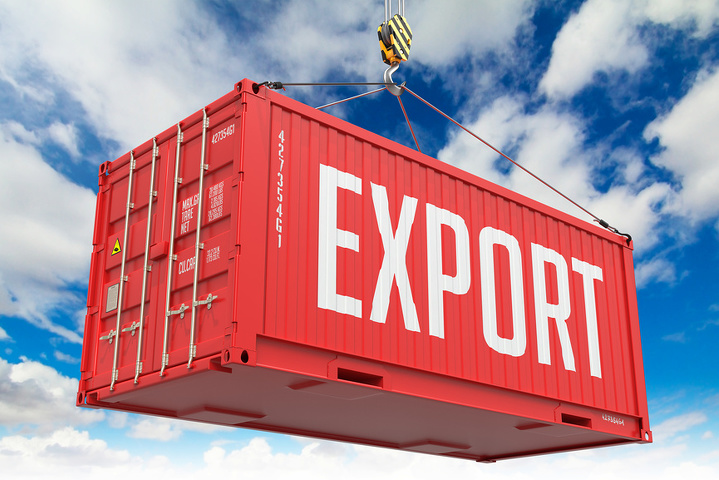
On a phased basis, the agreement—signed after more than 25 years of negotiations—envisages the gradual elimination of tariffs on thousands of goods, with some duties set to be reduced to zero as early as May 2026. Overall, trade liberalisation between the EU and Mercosur (Brazil, Argentina, Paraguay, and Uruguay) will take up to 12 years.
According to Brazil’s Vice President, Geraldo Alckmin, the most noticeable impact is expected in industry, where exports could grow by 26%. At the same time, the agricultural sector will also benefit, with sugar, fruit, beef, and poultry among the products likely to respond first to tariff reductions.
Export growth is also expected to be accompanied by an increase in imports. However, the agreement includes safeguard mechanisms: in the event of a sharp surge in imports, the parties may temporarily restrict supplies to maintain a balance of interests between markets.
At the same time, the agreement’s implementation is accompanied by political debate within the EU. Some countries, including France and Poland, have expressed concerns about potential pressure on European producers and implications for food security.
Trade between Brazil and the EU already amounts to around $100 billion annually, making the European Union Brazil’s second-largest trading partner after China.
Overall, the EU–Mercosur agreement opens up new opportunities for Brazilian exports, while intensifying competition in global agricultural markets and reshaping the balance of power in international trade.
PigUA.info, based on materials from Reuters