


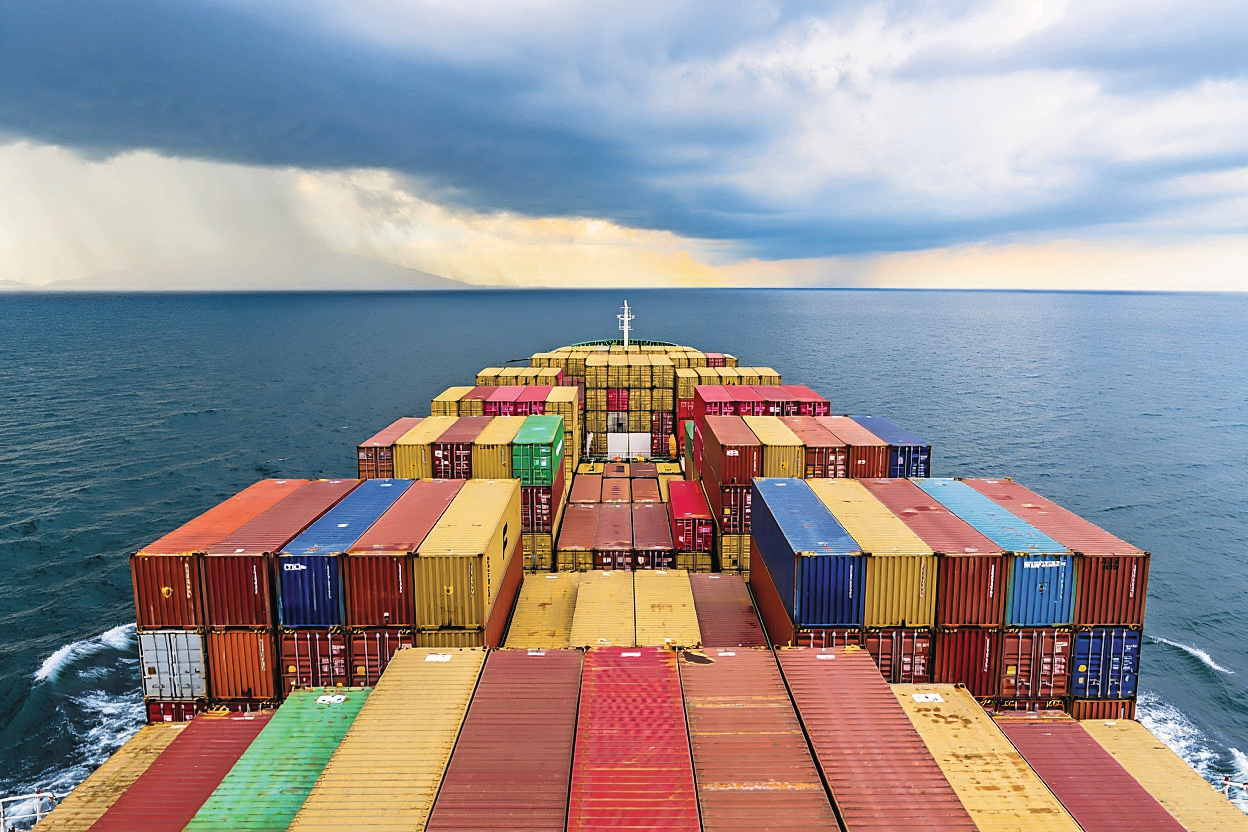
Analysts from RaboResearch forecast that the industry will face “second- and third-order effects” spreading through key elements of the supply chain. In particular, concerns relate to potential disruptions to shipping through the Strait of Hormuz.
Among the main risks is the rise in logistics costs: increasing freight rates, along with higher diesel and natural gas prices, are already affecting all stages from production to distribution. This, in turn, raises production costs and puts pressure on margins for both pork producers and processors.
Another factor is changing consumer behavior. Amid economic uncertainty and inflationary pressure, consumers may become more cautious with spending, which could weigh on meat demand.
Rabobank also highlights shifts in global trade. Notably, US pork exports to Japan increased by 21% year-on-year, partly due to the outbreak of African swine fever (ASF) in Spain. Imports of Spanish pork into Japan have been suspended since late November 2025, although the initial decline in early 2026 remained relatively moderate due to the use of previously built inventories. A more substantial reduction is expected in the second quarter as these stocks are depleted.
At the same time, Brazil is benefiting from the market rebalancing. In the first quarter of 2026, the country recorded its highest-ever export volumes for this period, reaching 381 thousand tonnes. Shipments to Japan rose by 60% (to 43 thousand tonnes), while the Philippines remained the largest market with 121 thousand tonnes.
Thus, even without direct disruption to pig production, geopolitical tensions are creating new challenges for the sector—from rising costs to shifts in global trade flows.
PigUA.info based on pigprogress.net