


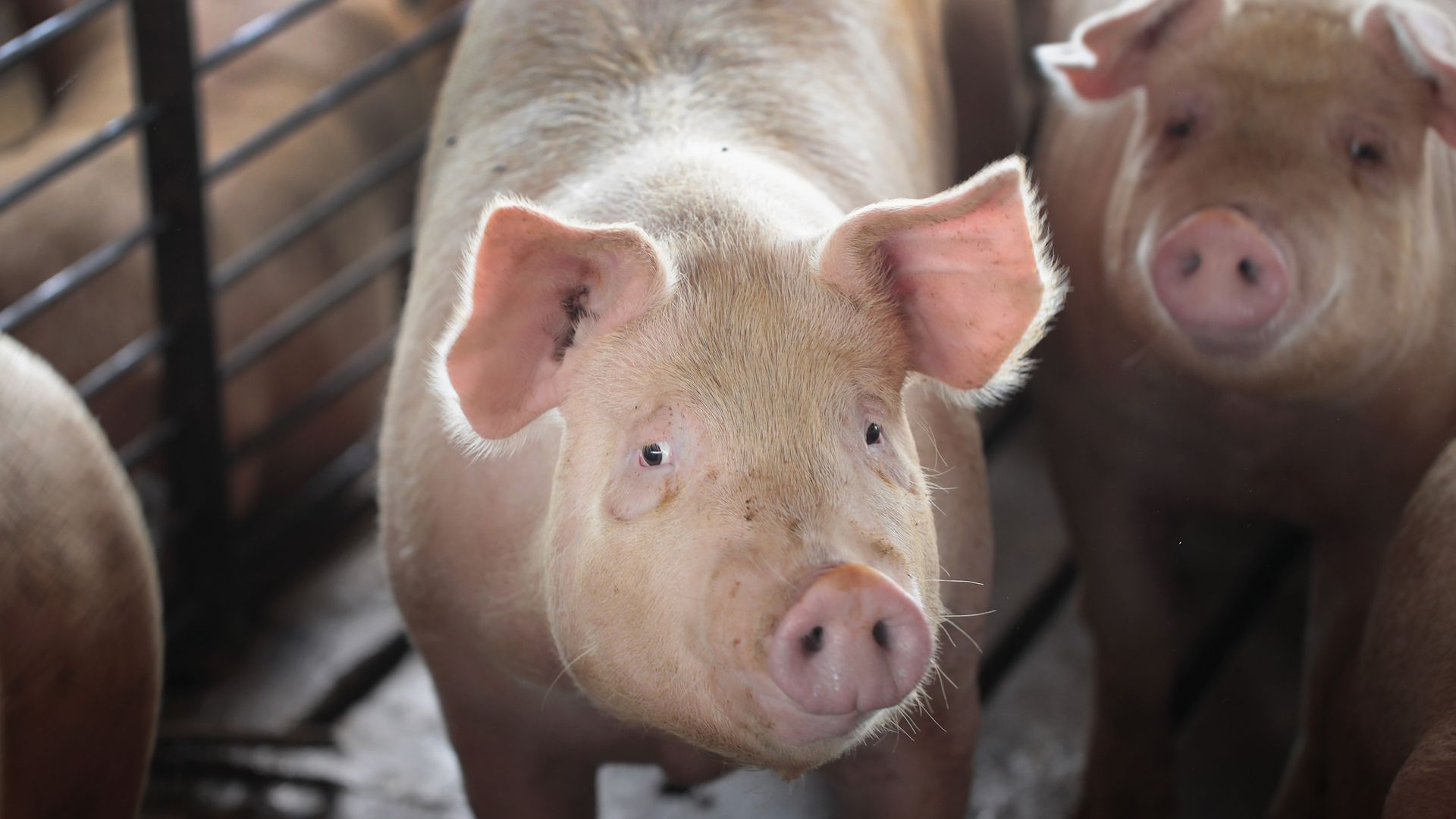
The new target follows a revision of the industry's previous plans. Just a few years ago, Danish producers supplied around 500,000 pigs with intact tails for slaughter each year. The goal for 2026 was to double that figure, while the original target for 2027 was 2 million pigs, increasing to 4 million in 2028.
However, the project has exceeded expectations, prompting the industry to raise its 2027 target to 3 million pigs with intact tails. For the time being, the 2028 target remains unchanged.
The initiative is being implemented through the "Sammen om hele haler" ("Together for Intact Tails") project. According to Niels-Peder Nielsen, a specialist at the Danish Agriculture & Food Council, the project is currently progressing according to plan.
The additional costs associated with raising pigs with intact tails are financed by the part of the industry that continues to practice tail docking. A dedicated support fund has been established for this purpose.
Participating producers can receive compensation of up to DKK 50 (approximately €6.70) for each piglet with an intact tail.
The financial support is intended to help cover additional costs, including:
- increased animal supervision;
- more feeding and drinking spaces;
- additional space per pig;
- upgrades to ventilation systems.
However, producers do not receive any price premium from meat processors or consumers for delivering pigs with intact tails.
According to the industry, growing public concern about animal welfare has been the main driver behind the initiative. Rising consumer expectations for more humane pig production have encouraged producers and industry organizations to invest in improved management practices.
Experts emphasize that eliminating routine tail docking requires comprehensive changes in farm management, including improvements in housing conditions, feeding systems, environmental control, and continuous monitoring of animal behavior. At the same time, Denmark's experience demonstrates that, with appropriate financial support and industry commitment, these practices can be successfully scaled up across the entire pig sector.
PigUA.info, based on materials from foodagribusiness.world