

According to Catalonia’s Department of Agriculture, Livestock, Fisheries and Food, the new cases were laboratory confirmed by the reference laboratory of Spain’s Ministry of Agriculture. Authorities attribute the rise in positive results to accumulated detections and intensified tracing and active surveillance efforts that have been maintained across the territory in recent weeks.
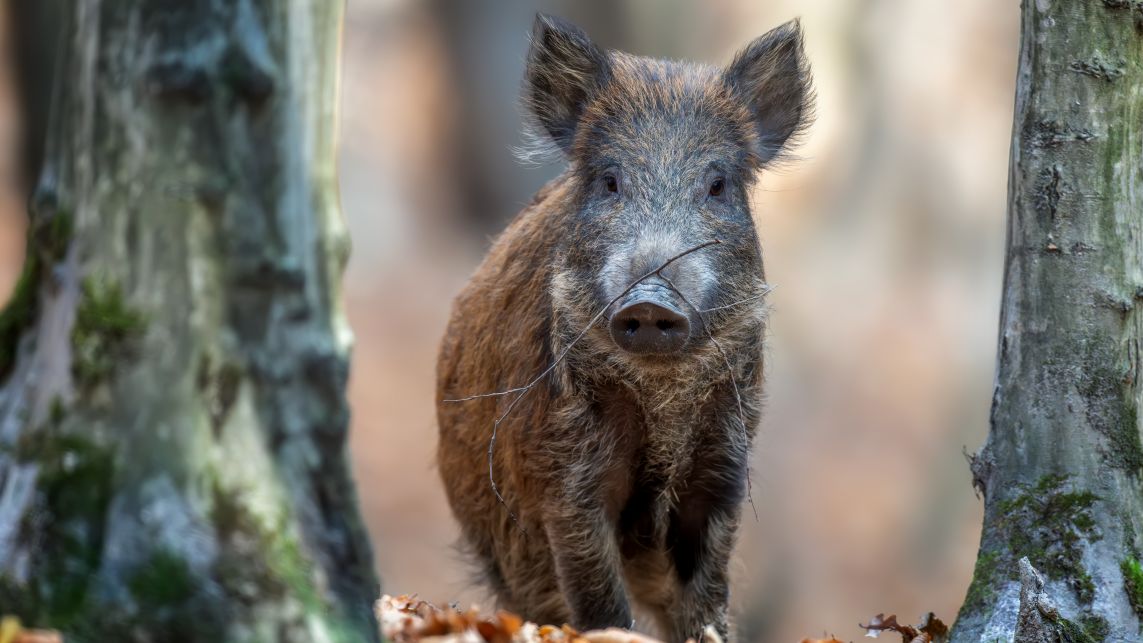
Since Christmas, 635 wild boars have been tested in the region, with 60 returning positive results (9.4%). Of these, 300 animals were captured, while 335 cases were detected through passive surveillance—via carcasses, remains found in the wild, or animals showing symptoms that were culled.
The search for wild boar carcasses in the affected area is ongoing, and preparations are underway for capture activities aimed at reducing wild boar populations in lower-risk areas within the infected zone. Isolation measures are also being reinforced, including the installation of fencing, and priority is being given to controlling key corridors commonly used by wild boars.
Veterinary authorities urge producers to apply the strictest possible biosecurity measures on pig farms and during transport, as well as in any activities involving wild boar. Farmers are required to immediately report any suspicion of ASF to the official veterinary services, both in wild boar and on pig farms.
PigUA.info based on materials from nationalhogfarmer.com