

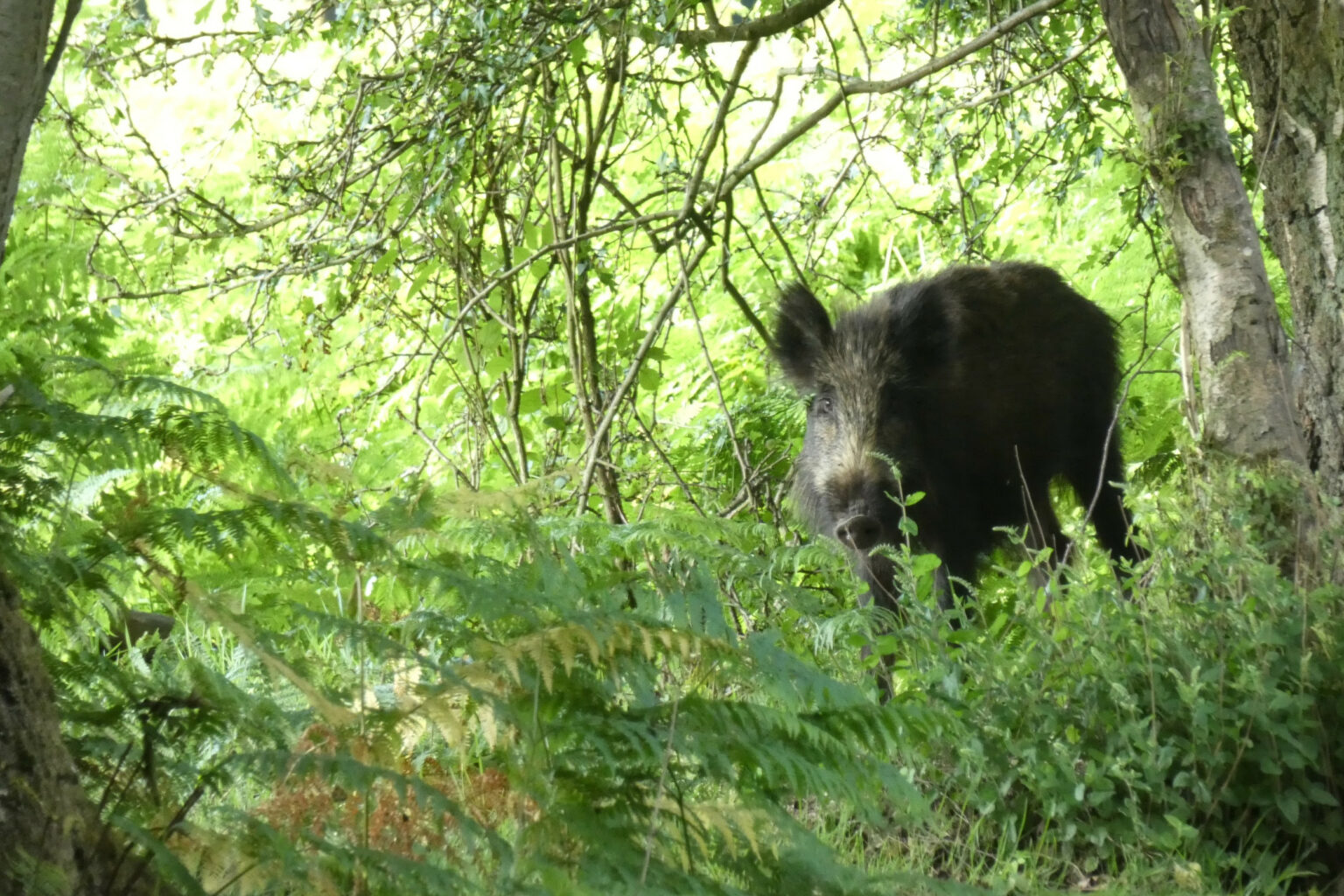
All infected wild boar were found in the municipality of Virolahti in the far south-east of Finland. According to the World Organisation for Animal Health (WOAH), all carcasses and animal remains were discovered within 3 km of the Russian border.
The positive findings are concentrated in two groups. One cluster is located on the shore of a small lake, while the other is close to the boundary between Virolahti and the municipality of Miehikkälä. The distance between the two sites is approximately 5 km.
Following the discovery of infected animals close to the neighbouring municipality, the inner core ASF zone was extended to cover part of Miehikkälä.
According to the Finnish Food Authority, Ruokavirasto, the latest confirmed finding was reported on 18 August.
Despite the growing number of positive cases in wildlife, no pig farm in Finland has been affected by the virus so far.
This means that the main priority for the veterinary authorities remains containing the spread of ASF among wild boar and preventing the virus from entering commercial and backyard pig holdings.
Particular attention is being paid to searching for dead and sick wild boar, as the rapid detection of infected carcasses allows authorities to define the actual boundaries of virus circulation more accurately.
In accordance with European rules, a second buffer zone has also been established around the infected area.
It covers three municipalities:
- Virolahti;
- Miehikkälä;
- part of Lappeenranta.
The zoning is intended to strengthen animal health controls around ASF outbreak areas and reduce the risk of further spread of the infection.
Monitoring of the wild boar population is continuing. The Finnish Food Authority has already trained around 400 volunteer hunters who are taking part in searches for dead and sick wild boar.
All carcasses or animal remains found are collected, and samples are then sent to the authority for laboratory testing.
This active surveillance is particularly important for determining the true extent of virus circulation and for adjusting the boundaries of restricted zones in a timely manner.
The spread of ASF has affected not only hunting and veterinary control measures, but also the work of local farmers.
According to the Finnish newspaper Helsingin Sanomat, producers within the restricted zones are facing uncertainty over field operations and the use of harvested crops.
Finland’s sowing and harvesting seasons are relatively short, so any additional restrictions can significantly complicate farm operations.
Farmers are particularly concerned about what to do if a dead wild boar is found directly in a field and whether crops harvested from such fields can subsequently be used for production.
Further developments will depend on the results of active wildlife surveillance. The increase in positive findings to 19 and the expansion of the core zone indicate that veterinary authorities are continuing to refine the actual boundaries of virus spread near the Russian border.
PigUA.info, based on materials from foodagribusiness.world