

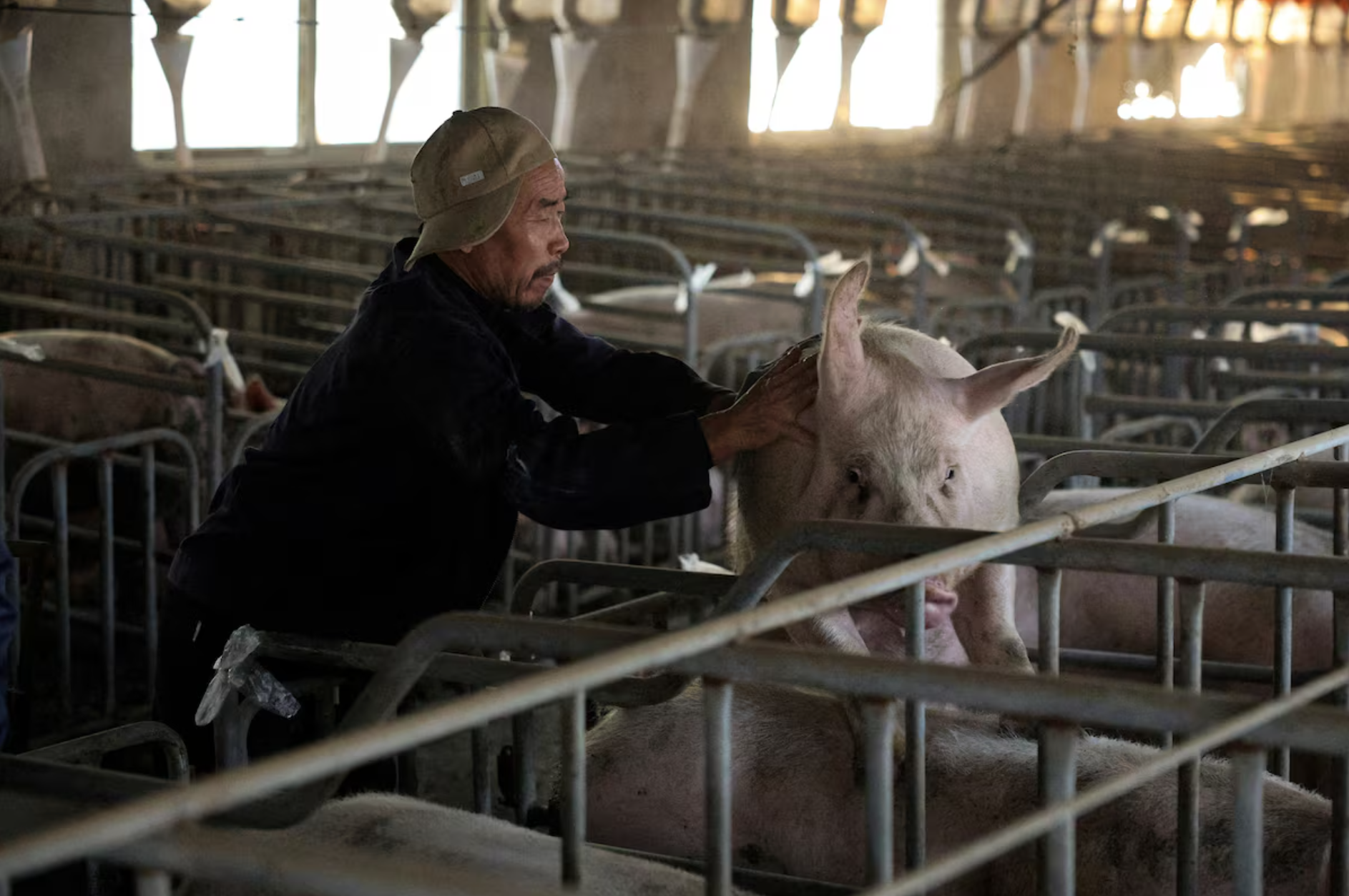
According to the ministry, discussions with industry representatives focused on coordinating efforts to curb oversupply and reduce cyclical volatility in the sector. Currently, the industry—which accounts for about half of the world’s pig population—is facing overproduction and weak domestic demand.
Experts note that low prices are driven by inertia in supply growth and persistently high production capacity. This is also reflected in market dynamics: in mid-April, live hog futures on the Dalian Commodity Exchange fell to their lowest level since the contract was launched in 2021, before partially recovering amid concerns about potential supply tightening due to foot-and-mouth disease outbreaks.
The ministry emphasized that leading companies must play a key role in stabilizing the market by avoiding excessive expansion. Priority measures include accelerating the culling of low-productivity and aging sows, as well as weaker piglets.
In addition, the sector is being encouraged to adopt innovations in breeding, develop low-protein feeding technologies, and improve the level of standardization and automation in production.
Overall, China is seeking to transition to a more controlled model of pig production, where balancing supply and demand becomes the central factor for market stability.
PigUA.info, based on Reuters