


According to the Food and Agriculture Organization of the United Nations (FAO), the Meat Price Index averaged 130.5 points in May. This was just 0.1% above the revised April value but 6.3% higher than in the same period last year.
The index was supported by a further increase in international beef prices. Strong import demand from China, where import quotas continued to be rapidly utilized, and sustained demand from the United States amid tight domestic supplies were the main drivers. In addition, ongoing herd rebuilding in several major producing countries continued to limit export availability.
Global sheep meat prices also increased. The main factor was limited supplies from New Zealand. However, this effect was partly offset by a temporary decline in Australian export prices, where dry weather forecasts encouraged higher slaughter rates and increased exportable supplies.
A modest increase was also recorded in poultry meat prices. Higher quotations in Brazil, supported by solid global demand, were partially offset by slightly lower prices in the United States, where supplies remained plentiful.
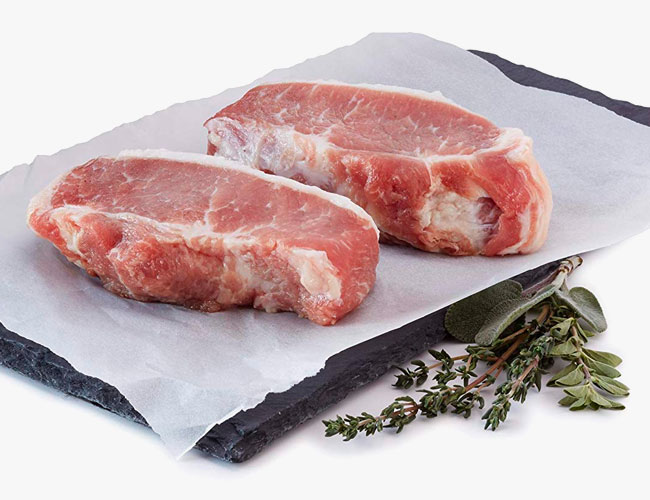
In contrast, pork prices declined during May. FAO attributed this mainly to the situation in the European Union, where the market remains well supplied while import demand continues to be relatively weak.
Analysts note that the current situation in the pork market confirms a trend observed in recent months: the main pressure on prices stems not from shortages or surpluses of live pigs, but rather from challenges in marketing pork products internationally and limited opportunities for growth in consumer demand.
Therefore, despite the overall stability of the global meat price index, market developments vary significantly among individual meat sectors. While beef and sheep meat markets continue to be supported by limited supplies and strong demand, the pork sector faces downward price pressure due to abundant supplies and weaker trading activity.
PigUA.info, based on information from 3tres3.com