


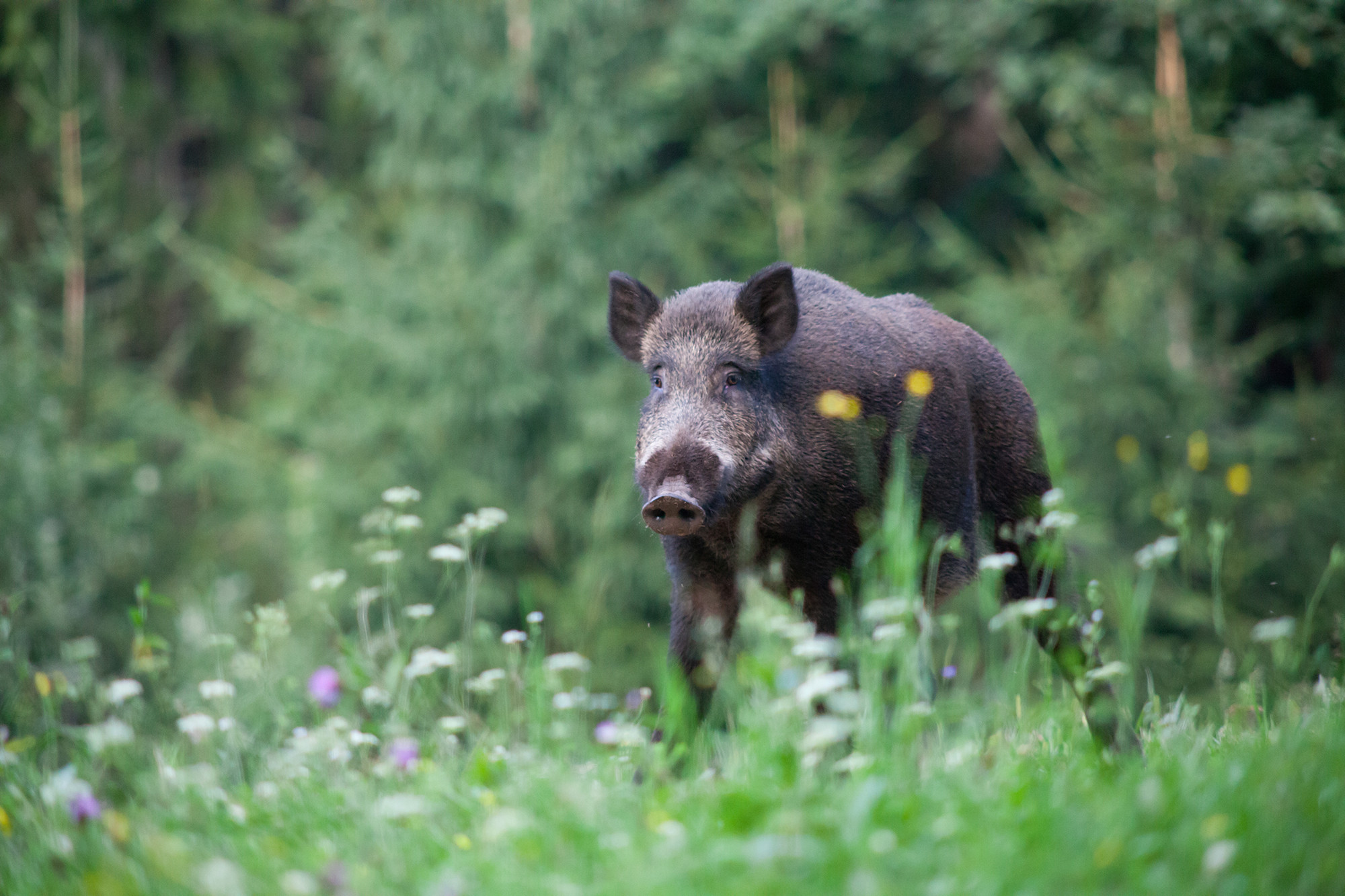
According to WOAH’s May 2026 situation report, the number of ASF outbreaks in domestic pigs has continued to decline since peaking in August 2025. A similar trend has been observed in wild boar populations, where cases reached their highest levels between October 2025 and January 2026 before beginning to decrease.
During May 2026, WOAH member countries reported 32 new ASF outbreaks in domestic pigs and 478 outbreaks in wild boar. The disease resulted in the loss of 1,167 domestic pigs.
Europe accounted for the vast majority of new cases, with 29 outbreaks in domestic pigs and all 478 reported outbreaks in wild boar. The Asia-Pacific region recorded three new outbreaks in domestic pigs.
WOAH also reported a recurrence of ASF in Ukraine during May. A new outbreak was confirmed in Poltava Oblast on 19 May. In addition, ASF recurrences were reported in Bhutan, specifically in the districts of Samtse and Chhukha.
Fourteen European countries submitted updates on ongoing ASF events: Bosnia and Herzegovina, Croatia, Estonia, Germany, Hungary, Italy, Latvia, Lithuania, Moldova, Poland, Romania, Serbia, Spain, and Ukraine.
Since January 2022, ASF has been reported in 85 countries and territories worldwide. During this period, more than 1.14 million cases have been recorded in domestic pigs and 52,600 cases in wild boar, while total losses in domestic pigs have exceeded 2.57 million animals.
WOAH emphasizes that African swine fever remains one of the greatest threats to the global pig industry. The organization urges its members to maintain strict biosecurity measures, ensure rapid reporting of new outbreaks, and strengthen awareness across the entire pork value chain.
WOAH also encourages countries implementing ASF vaccination programmes to share relevant data with the international community. However, the organization notes that, as of May 2026, no country has officially reported the use of vaccination as an emergency response to ASF outbreaks.
PigUA.info, based on ThePigSite.com