


An outbreak of African swine fever (ASF) has been confirmed in Poland at a large pig farm in the West Pomeranian Voivodeship, where more than 21,000 pigs were kept. Meanwhile, the virus continues to spread among wild boar populations in several federal states of Germany.
According to Poland’s Chief Veterinary Inspectorate, the case was detected on May 18 in the village of Jarosławsko. The farm is located approximately 70 km from the German border. In line with EU regulations, all animals on the farm — 21,390 pigs — will be culled.
This marks the 571st ASF outbreak on pig farms in Poland since the start of the epidemic in 2014 and is one of the largest recorded. Only five infected farms over this period had more than 10,000 animals.
At the same time, the virus continues to circulate in wild fauna. As of May 20, Poland has recorded 1,241 ASF-positive wild boar carcasses. By comparison, 3,429 cases were reported in 2025, while the record year was 2020 with more than 4,100 cases.
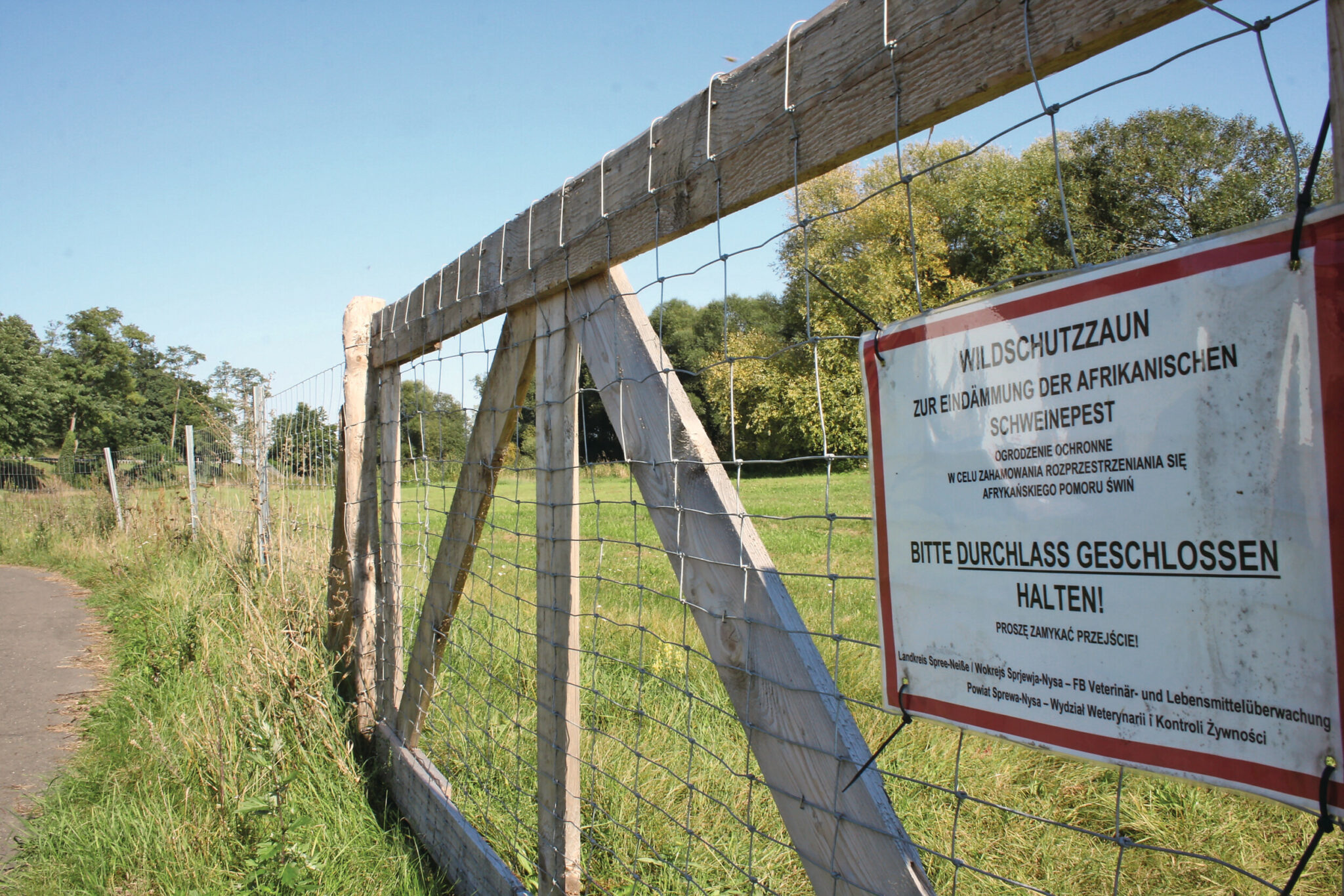
In Germany, although no outbreaks have been reported in domestic pigs in 2026, the situation remains tense. In the federal state of Saxony, the number of infected wild boar carcasses has reached 71, with the virus re-emerging in April after a period of relative inactivity.
In North Rhine-Westphalia, cases are also increasing, with the total number of infected wild boars reaching 701. The virus is spreading to new areas, including recent detections in the municipality of Netphen, highlighting the difficulty of containing the disease.
German authorities estimate that the wild boar population in infected zones could reach around 1,500 animals, further complicating control efforts.
Overall, the ASF situation in the region remains challenging: large-scale outbreaks on farms in Poland are occurring alongside active virus circulation in wild boar populations in Germany, maintaining a high risk of further spread.
PigUA.info, based on pigprogress.net