
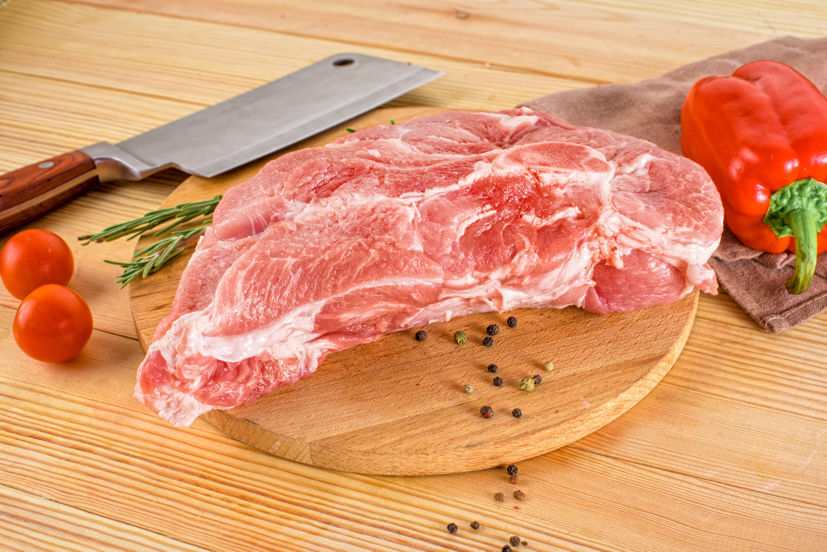
The European Union will suspend imports of meat and other animal products from Brazil starting September 3, due to the country’s non-compliance with new EU rules on the use of antimicrobials in production. The decision was approved by the European Commission’s Standing Committee on Plants, Animals, Food and Feed.
The updated regulations introduce stricter controls on antimicrobial use, and Brazil currently does not meet these requirements. As a result, the country has been removed from the list of those authorized to export such products to the EU market.
The decision comes less than two weeks after the EU–Mercosur trade agreement (Argentina, Brazil, Paraguay, and Uruguay) entered into force, sparking additional debate over the impact of regulatory measures on trade. European industry representatives note that this move demonstrates that regulatory clauses within the agreement are beginning to take effect.
In particular, stakeholders in the EU meat sector have welcomed the decision, emphasizing the need for a level playing field and compliance with safety standards. Additional justification stems from previous EU audits that identified shortcomings in Brazil’s control of banned substances.
At the same time, concerns have been raised about the transition period leading up to September. There is a risk that Brazilian exporters may increase shipments before the suspension takes effect, rather than promptly adapting to the new requirements.
The Brazilian side has already responded, stating its intention to take all necessary measures to maintain access to the EU market. Government representatives and industry associations insist that Brazil complies with EU requirements, particularly regarding antimicrobial controls and product traceability.
According to official data, Brazil’s annual exports of meat and other animal products to the EU amount to approximately $1.8 billion. The final implementation of the suspension will depend on whether Brazil can provide the required guarantees of compliance before September.
Overall, the EU’s decision could significantly impact global trade flows, while highlighting the growing importance of food safety standards and antimicrobial policies in international trade.
PigUA.info, based on euromeatnews.com