


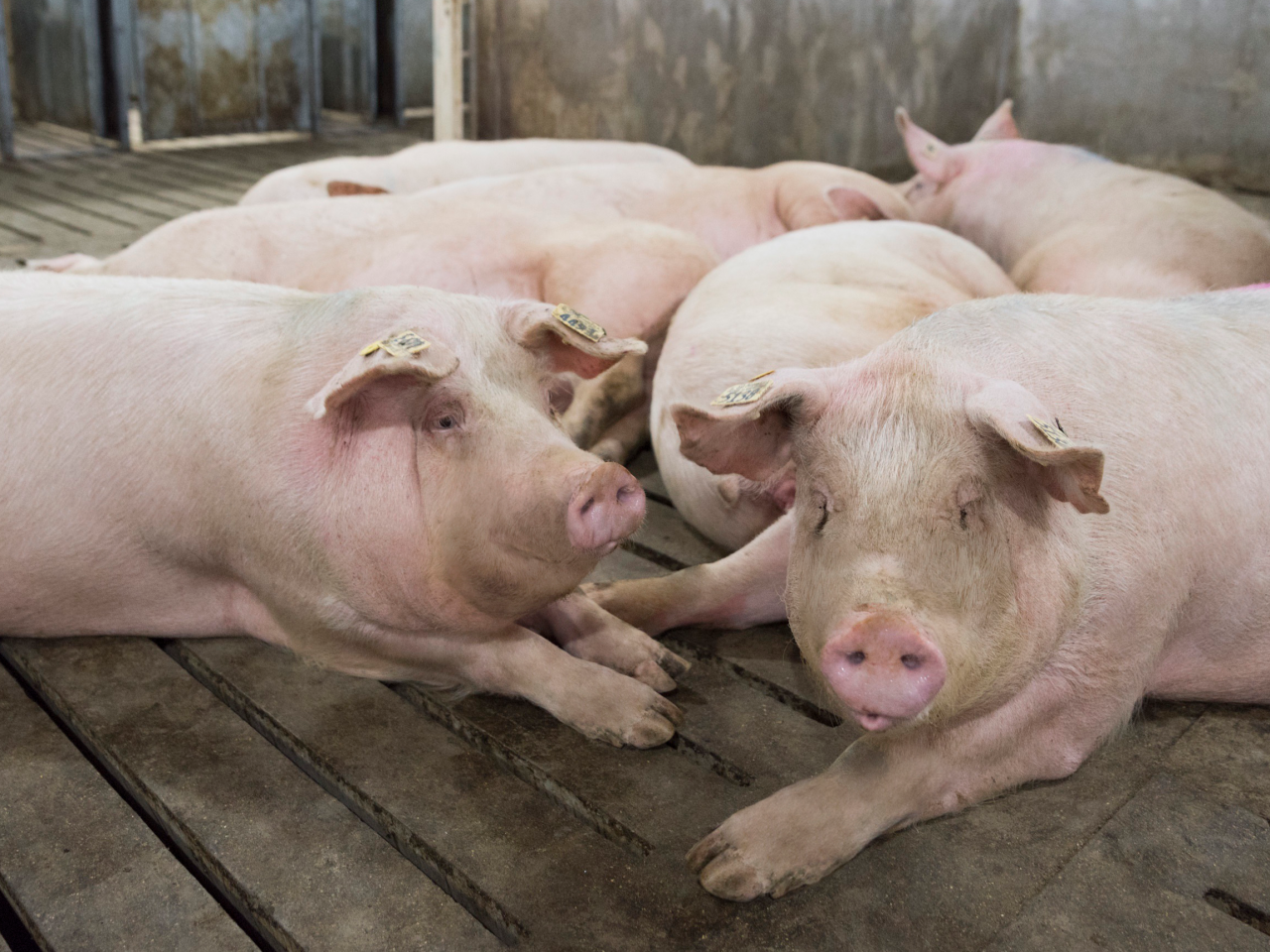
The first cases of compulsory pig culling linked to the ongoing FMD outbreak have been recorded on the Greek island of Lesvos, according to the latest updates from the World Organisation for Animal Health (WOAH).
Over recent weeks, a total of 31 pigs were culled on two mixed livestock farms keeping sheep, goats, cattle, and pigs. Laboratory testing did not detect FMD virus in the pigs; however, they were destroyed together with the rest of the livestock in line with veterinary disease control regulations.
The most recent case occurred on 17 June near the village of Agia Paraskevi. FMD was confirmed in 64 sheep and goats, prompting the culling of the entire herd, including 16 pigs.
A similar situation occurred on 6 May near the village of Napi. The outbreak was initially reported on a mixed cattle, sheep, and goat farm. WOAH later clarified that the holding also kept 15 pigs. After FMD was confirmed in 116 sheep and goats and one head of cattle, more than 6,000 animals were culled, including the pigs, despite the absence of evidence that they had been infected.
The outbreak on Lesvos has primarily affected small ruminants. Since the virus first emerged on the island in March 2026, more than 35,000 sheep, over 19,000 sheep and goats from mixed flocks, and 516 cattle have been culled.
So far, the impact on the island's pig sector has remained limited. By comparison, in Cyprus, where FMD was detected in February 2026, nearly 25,000 pigs were culled on three commercial pig farms during April alone.
According to experts, the most likely source of the virus in both Lesvos and Cyprus was Turkey, where several FMD virus serotypes are known to circulate.
Experts emphasize that even when pigs are not confirmed to be infected, culling them on mixed livestock farms is standard practice during FMD eradication campaigns. This approach is intended to halt virus circulation as quickly as possible and prevent further spread of the disease.
PigUA.info, based on FoodAgriBusiness.world