

In May, the White House said China had agreed to purchase $17 billion worth of US agricultural products annually starting in 2026, with this year’s target to be adjusted proportionally. The agreement was in addition to a separate commitment on purchases of US soybeans reached in October last year.
According to a Reuters analysis of customs data, China is currently on track to meet its soybean purchase target. However, between January and September, purchases of other US agricultural products — ranging from meat to corn — totalled just $7.2 billion. This was the lowest figure for the period since 2019.
It remains unclear whether this trend means China will fail to meet its commitments. The White House has not specified when the compliance period should begin — from the announcement of the agreement in May or after China formally approves the proposed tariff reductions on US agricultural products.
Weak Demand and Competition Limit Shipments
Corn is one example. In 2021, China imported nearly 20 million tonnes of US corn worth $5.6 billion. For the 2026/27 marketing year, however, COFCO Futures forecasts Chinese imports of US corn at only around 900,000 tonnes, partly due to ample domestic supplies and the limited competitiveness of US corn.
A similar situation is developing in sorghum. In 2021, US shipments to China reached 6.5 million tonnes worth $2.1 billion. US exporters now face competition from Brazil, which gained access to the Chinese market in September 2025.
According to US government data, China had imported around 3.7 million tonnes of US sorghum by the end of August, significantly more than a year earlier. However, new sales have virtually stalled over the past four months.
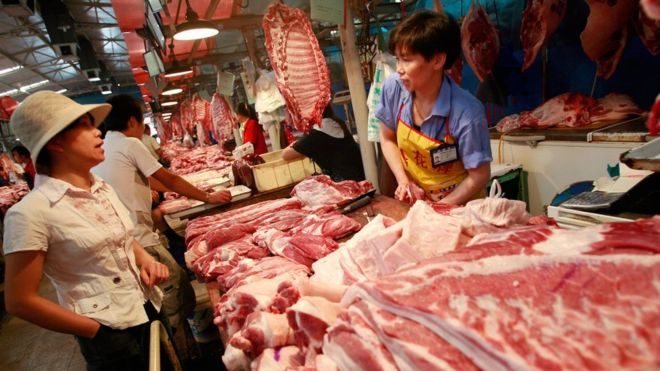
Prospects for US meat exports also remain limited. China’s domestic market has ample supplies of pork and chicken, while US beef remains expensive because of the reduced cattle herd.
In addition, some US facilities still do not have access to China’s beef market. According to the US Meat Export Federation, around half of the country’s fed-cattle slaughter capacity is unable to ship products to China.
Analysts note that under current market conditions, reaching the $17 billion target may require more active participation by Chinese state buyers, as is already happening with soybeans.
PigUA.info, based on materials from Reuters